WhatsApp

ICSE Computer Applications

Master Java programming, logical reasoning, and problem-solving skills aligned with the ICSE syllabus for Classes 9 & 10.

Class 9 & 10 ICSE Board Java Programming Exam-Focused
✔ Java syntax & logic building
✔ Arrays, strings & functions
✔ Programs as per board pattern
✔ Strong base for ISC & beyond
100+
Students Trained
5/5
Parent Rating
ICSE
Syllabus Aligned
Enquire Now
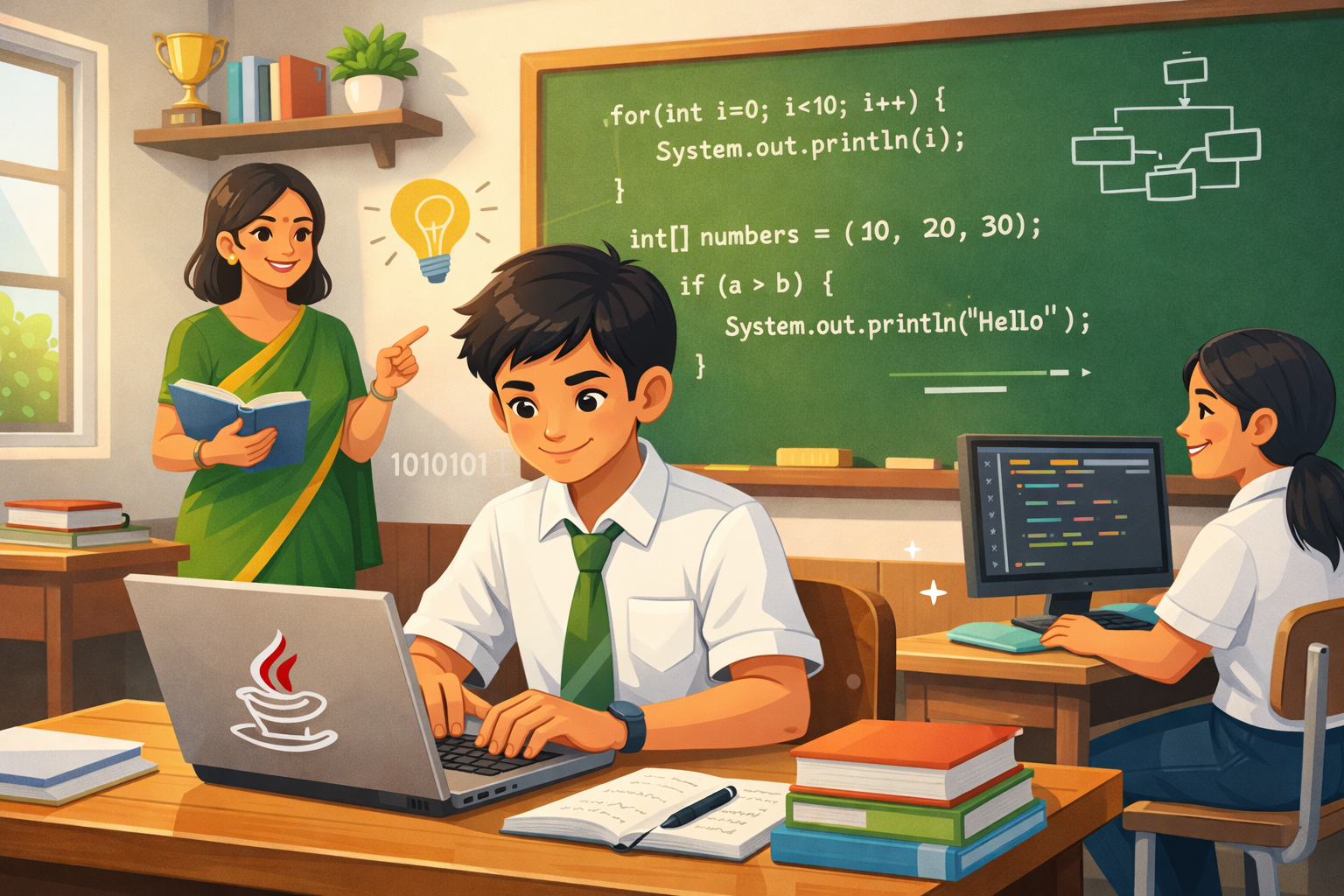
ICSE Computer Applications Illustration for(int i=0) if (a > b) String name while(true)

ICSE Computer Applications – Frequently Asked Questions

Clear answers to help students and parents understand ICSE Computer Applications

💻 What is ICSE Computer Applications? +
  • A subject that teaches programming, logic, and computer fundamentals.
  • Focuses on problem-solving using Java.
  • Includes theory as well as practical programming skills.
☕ Which programming language is used in ICSE? +
  • Java is the primary programming language.
  • Students learn object-oriented concepts.
  • Strong foundation for advanced programming courses.
📝 How are ICSE Computer Applications exams conducted? +
  • Written theory examination.
  • Programming-based questions in Java.
  • Logical and application-based problems.
📚 Is theory important along with programming? +
  • Yes, theory carries significant weightage.
  • Concepts like data types, loops, and OOP are tested.
  • Understanding theory improves coding accuracy.
🧠 Does ICSE Computer Applications help in higher studies? +
  • Builds strong logic and programming foundation.
  • Helps in ISC, IB, IGCSE, and engineering courses.
  • Makes learning advanced languages easier.
🎯 Career Foundation & Future Scope +
  • Strong base for ISC Computer Science (Class 11 & 12).
  • Useful for engineering and computer science degrees.
  • Foundation for software development, AI & data science.

ICSE Class 10 Java Highlights

Core topics and skills for each chapter

Swipe → to explore chapters

💻 Chapter 1: OOP Concepts

Computer language, programming paradigms, POP vs OOP, OOP principles, definitions.

📝 Chapter 2: Objects & Classes

Class in Java, Object, properties of class and object.

🔢 Chapter 3: Values & Data Types

Character sets, escape sequences, tokens, variables, constants, type conversion.

⚙️ Chapter 4: Operators

Operator & operand, types, forms, hierarchy of operators.

📥 Chapter 5: Input in Java

Packages, initialization, parameters, Scanner & InputStreamReader, errors, exceptions, comments.

📐 Chapter 6: Math Library Methods

Different mathematical methods in Java.

🔀 Chapter 7: Conditional Constructs

Flow of control, if-else, switch, ternary operator, menu-driven program, terminate program.

🔁 Chapter 8: Iterative Constructs

Loops: for, while, do-while, categories, jump statements, interconversion.

🔄 Chapter 9: Nested Loops

Nested for/while/do-while loops, break & continue in nested loops, pattern programs.

🛠 Chapter 10: User-defined Methods

Defining methods, actual/formal parameters, static/non-static, pure/impure methods, overloading.

🏛 Chapter 11: Class as Basis of Computation

Object, class, class vs object, creating objects, nested class, using 'this'.

🏗 Chapter 12: Constructors

Introducing constructors, overloading, different types, difference from methods.

📚 Chapter 13: Library Classes

Primitive & composite types, wrapper classes, autoboxing, class as composite data type.

🔒 Chapter 14: Encapsulation & Inheritance

Encapsulation, scope of variables, access specifiers, inheritance.

📊 Chapter 15: Arrays

Types of arrays, length, single & double dimension, operations, sorting & searching.

🔤 Chapter 16: String Handling

String class, methods, string array, how string is stored in memory.

Watch the video for details of the subject

ICSE Class 9 & 10 Exam Overview

Total Marks: 100 (Written) + 100 (Internal Assessment)
Time: 2 hours for written paper
Sections:

Section A – Short Answer Questions

Compulsory questions covering the entire syllabus.

Typically tests understanding of fundamentals, loops, conditional constructs, and basic programming.

  • ✔Marks : 40
  • ✔Percentage of total Marks : 40%
  • ✔Syllabus topics examined : Chapters 1-8 (Java fundamentals, loops, conditional constructs)

Section B – Detailed & Programming Questions

Answer any 4 out of 7 questions. Focuses on coding, scenario-based problems, and advanced programming concepts.

  • ✔Marks : 60
  • ✔Percentage of total Marks : 60%
  • ✔Syllabus topics examined : Chapters 9-16 (Nested loops, user-defined methods, classes, arrays, strings)

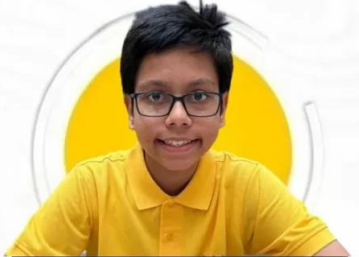
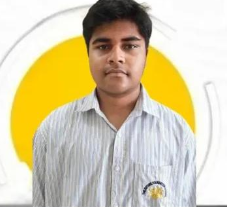
Our Achievers 🏆

Outstanding Results

Ansh

Ansh Jatakia

100 / 100

ICSE Board

Arnav

Arnav

99 / 100

ICSE Board

Jayraj Baliga

Jayraj Baliga

97 / 100

ICSE Board

Rayhan Ali Dossa

Rayhan Ali Dossa

93 / 100

ICSE Board

Reem Sawhney

Reem Sawhney

92 / 100

ICSE Board

Pranit

Pranit Banerjee

97 / 100

ISC Board

Vivaan

Vivaan Saraf

95 / 100

ISC Board